 (Image source: Gemini)
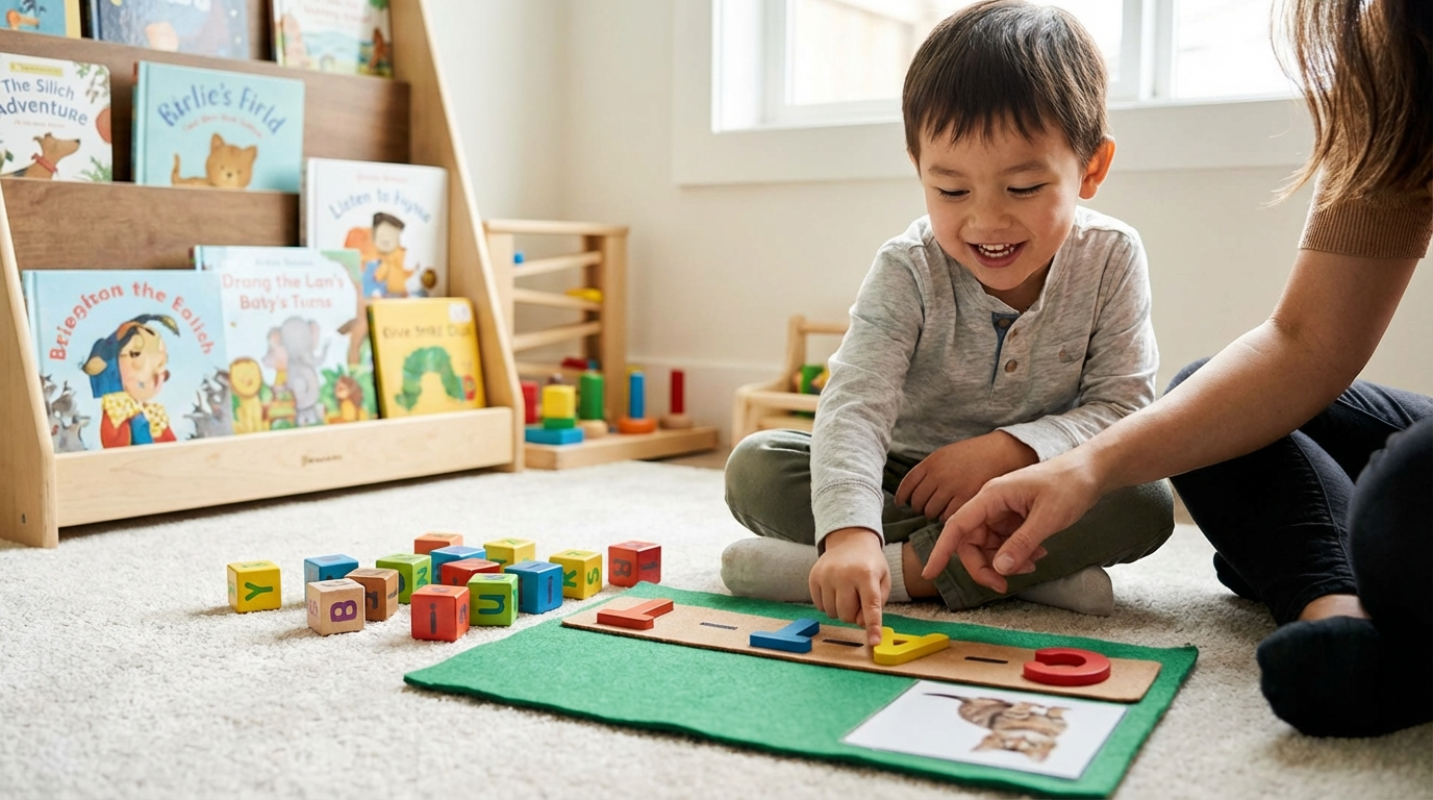
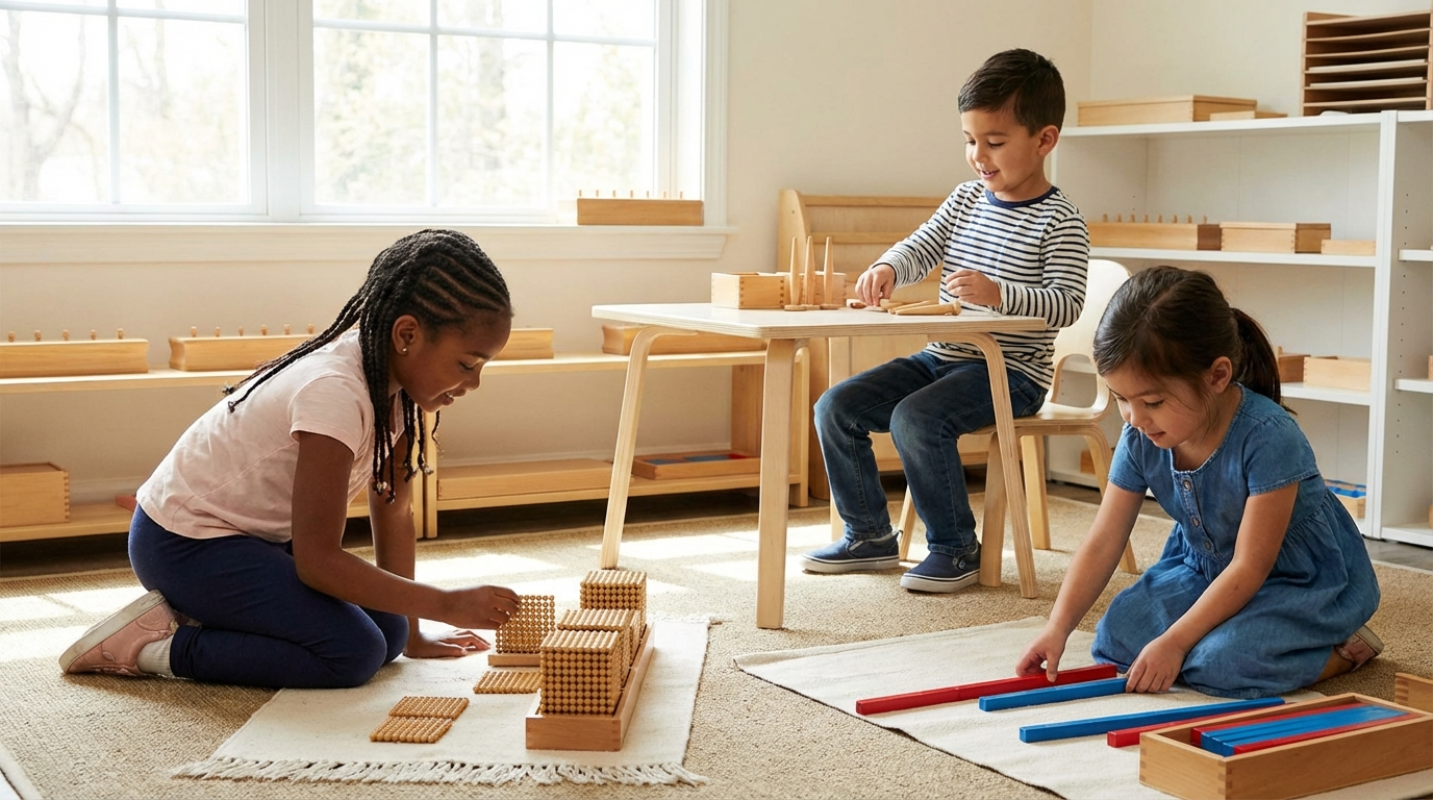
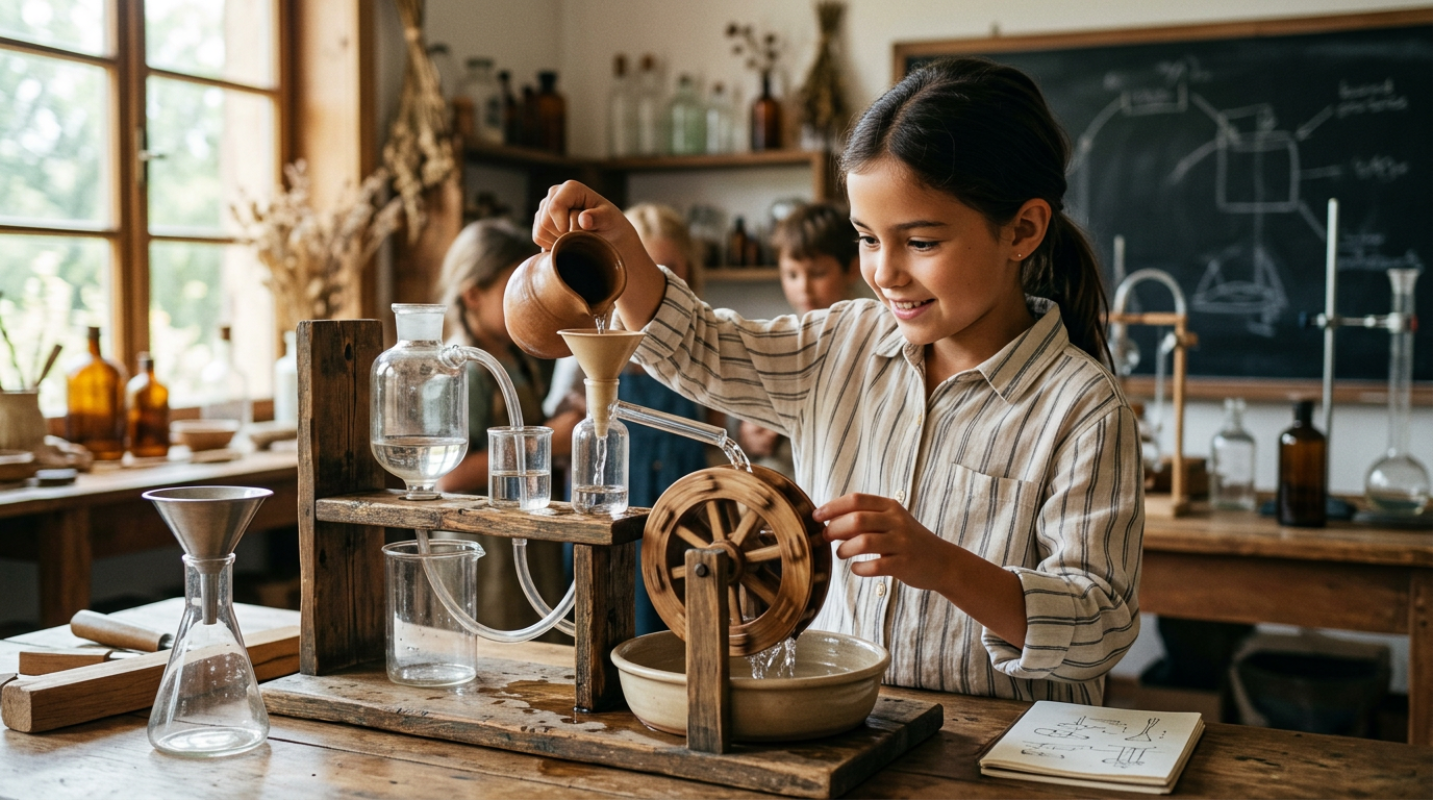
 Think back to the last time you saw a three-year-old discover a light switch. Click, light. Click, dark. To you, it is a mundane utility bill in the making. To them, it is a superpower. They are performing their first major research project into the world of cause and effect. This simple realization that "if I do A, then B happens" is the single most important building block of human intelligence. It is the foundation of logic, the root of empathy, and the absolute core of the scientific method. Science for preschoolers isn't periodic tables or complex equations. It's nurturing that internal "why" that every child is born with. Kids are natural scientists who conduct experiments on their environment starting in infancy. Our job as parents and educators is simply to give them the tools to organize that curiosity.
So why does this matter so much right now? Recent data from a couple of years ago showed a concerning trend where only 15% of high school graduates were truly ready for college level STEM courses. That is a massive gap. If we wait until middle school to introduce "real" science, we have already missed the window where their brains are most plastic and hungry for discovery. Early science is about building the "thought capacity" and problem-solving skills that will carry them through adulthood.
The Science of Observation
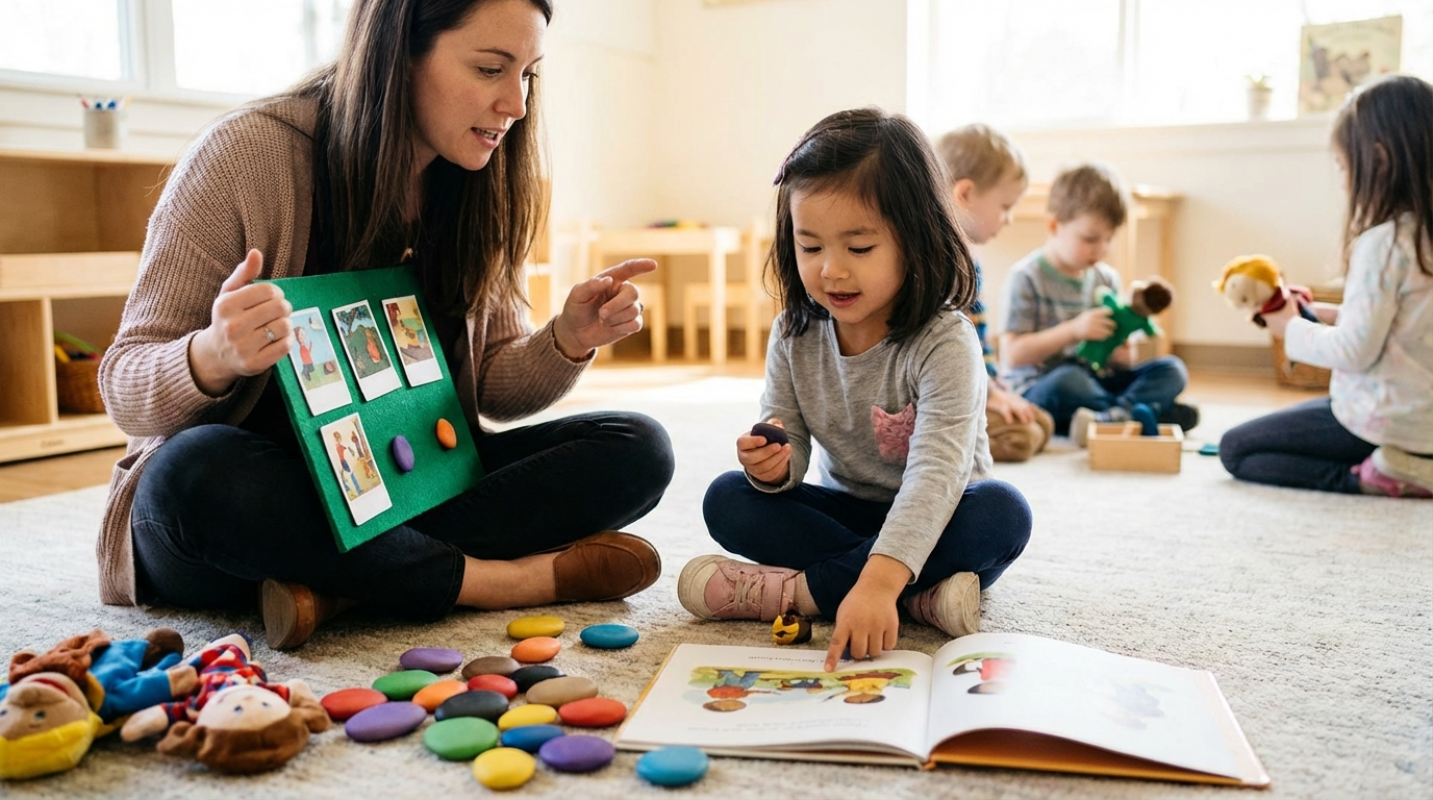
Before you break out the safety goggles, you need to change how you talk to your kids. Most of us have a habit of being the "answer key." When a child asks why the sky is blue or why the ice melted, we give them a factual explanation. Instead of giving the answer, you become a co-investigator.
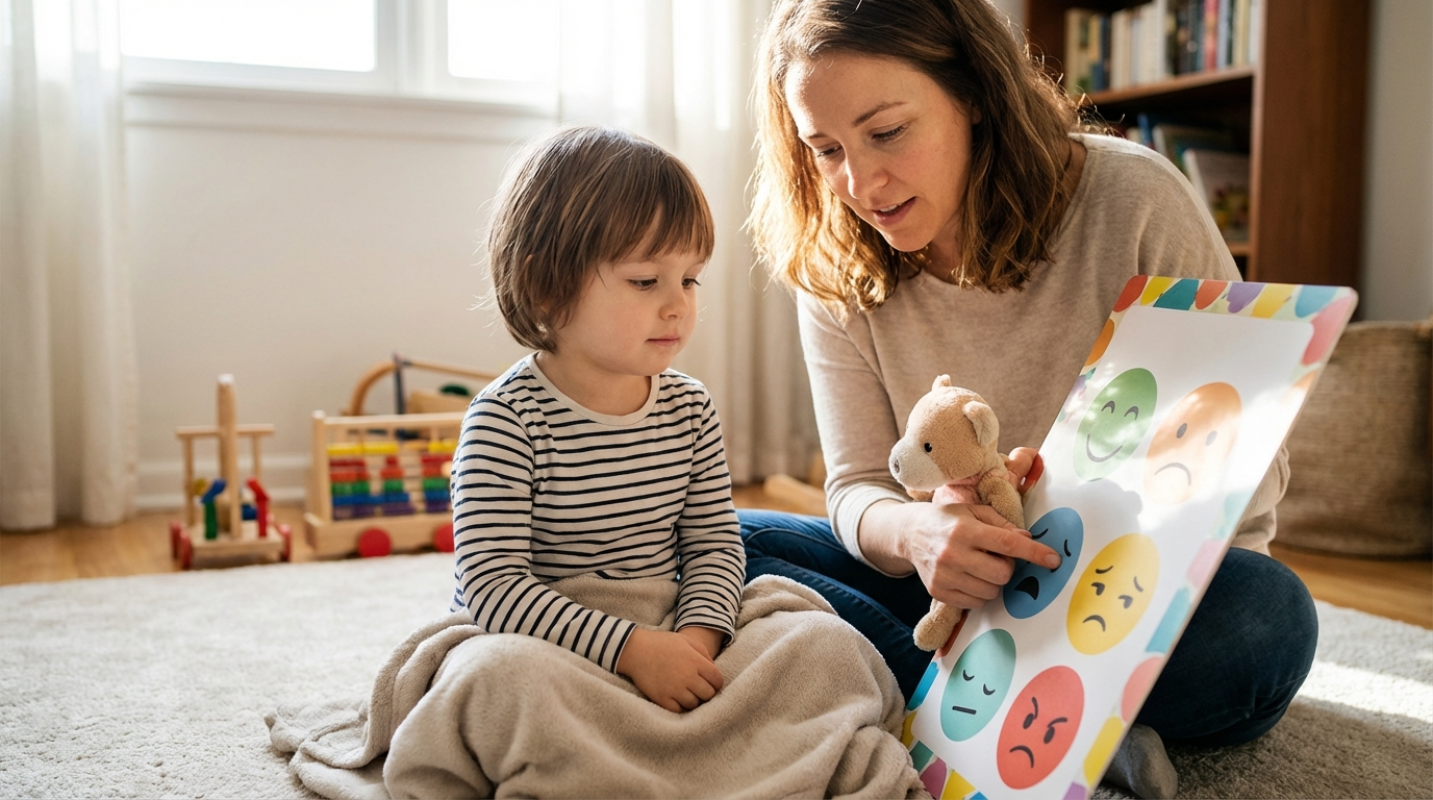
You can start this by using open-ended questions. The most powerful phrase in your toolkit is "What do you think will happen if...?" This simple prompt forces a child to make a prediction, which is the "cause" part of the equation. When they see the result, they are naturally processing the "effect." It is a mental loop that builds executive function, which is the brain's command center for planning and focus.
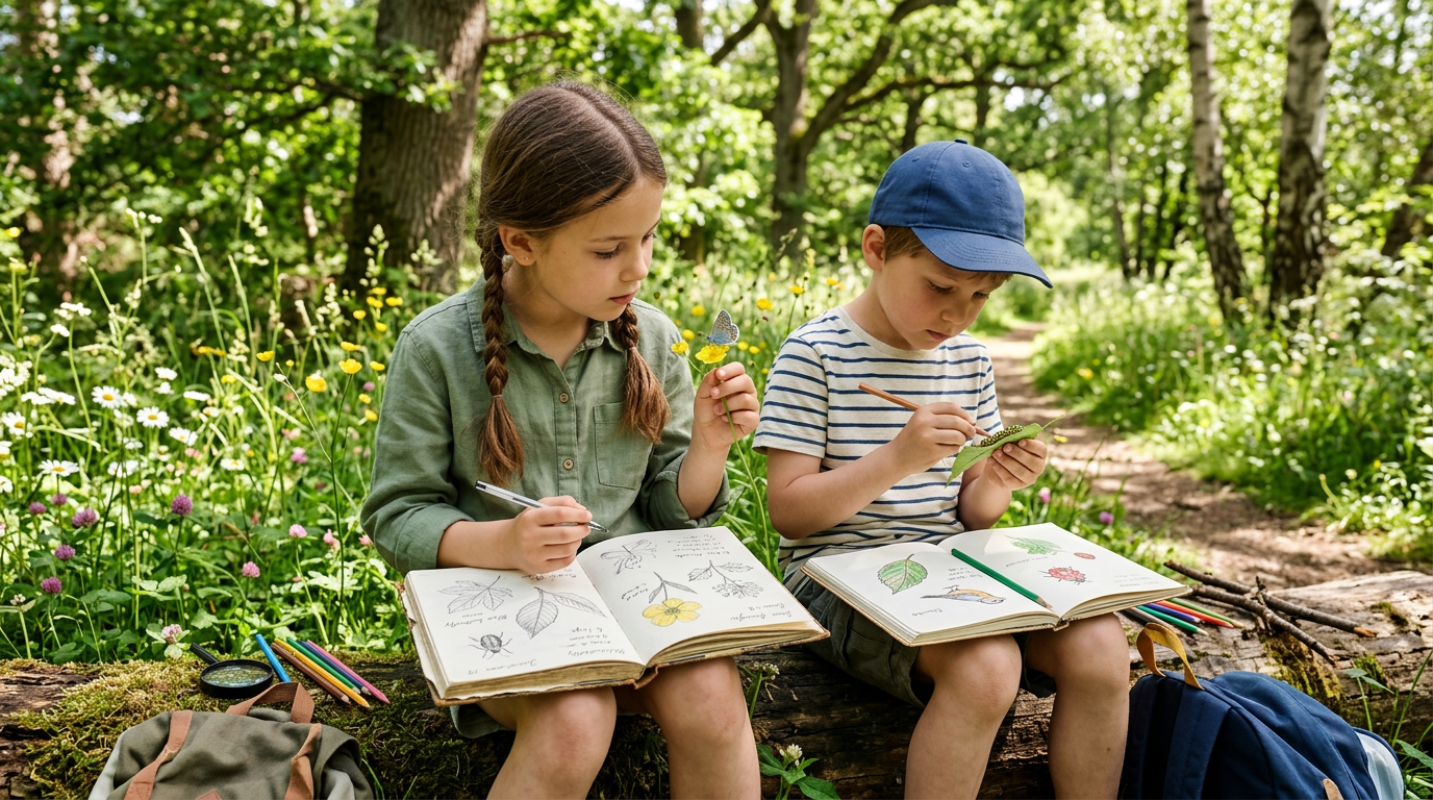
Documentation is another key piece of the puzzle. You don't need a formal lab notebook. A few pieces of paper and some crayons will do. Have your child draw what the experiment looks like at the start and what it looks like at the end. This helps them visualize the transition and reinforces the idea that their actions caused a specific change. It turns a fleeting moment of "cool!" into a lasting mental model.
Simple and Safe Kitchen Counter Chemistry
You don't need a high-tech lab to demonstrate chemical reactions. Your kitchen is already a treasure trove of scientific potential. The goal here is immediate visual feedback. Preschoolers live in the "now," so experiments that take three days to show results might lose their interest. You want the "wow" factor to happen right in front of them.
The Baking Soda Volcano is the undisputed king of kitchen science for a reason. It is messy, it is dramatic, and the cause and effect relationship is crystal clear. When you pour the vinegar (the cause) into the baking soda, the fizzing eruption (the effect) happens instantly. You can explain that the acid in the vinegar is having a "fight" with the base in the baking soda, and the bubbles are the gas trying to escape.
Another fantastic experiment is the Sink or Float test. All you need is a large bin of water and a handful of household objects like a metal spoon, a cork, an apple, and a rock. Ask your child to predict which ones will stay on top. This introduces the concept of density without needing to use the word density yet. They see that the "cause" (putting the object in water) leads to different "effects" (sinking or floating) based on what the object is made of. It's a great way to start a conversation around why a heavy boat floats while a tiny pebble sinks.
Exploring Force, Motion, and Gravity
Physics sounds intimidating, but for a preschooler, it is just the study of how things move. You can demonstrate the laws of motion using nothing more than some cardboard boxes and toy cars. Ramp races are the perfect way to show how changing one variable (the cause) changes the outcome (the effect).
Set up two ramps at different angles. Ask your child which car will go faster. When they see the car on the steeper ramp zoom ahead, they are learning about gravity and acceleration. You can even add different surfaces to the ramps, like a towel or aluminum foil. This introduces friction. The "cause" is the rough surface, and the "effect" is the car slowing down. You can easily link this to their real-life experiences, like how it is harder to slide down a slide if they are wearing sticky rubber pants versus smooth athletic shorts.
Dropping objects is another classic. Even though it might drive you crazy when they drop their sippy cup for the tenth time, they are testing gravity. Use a feather and a ball. Ask them which will hit the ground first. Although the science of air resistance can get complicated, the basic observation that the earth pulls everything down is a fundamental "effect" that every child needs to grasp.
Integrating Cause and Effect into Daily Routines
Science shouldn't be a "subject" that you pull out of a box once a week. It should be a lens through which your child sees the world. Some of the best cause-and-effect lessons happen when you aren't even trying to teach. Weather is a constant, living laboratory. If it is raining, we need boots so our socks don't get wet. If it is sunny, the sidewalk gets hot. These are "if, then" statements that build the logic gates in a child's brain.
Gardening is another slow-burning experiment that pays off in a big way. Planting a seed is the ultimate "cause." Watching it sprout, grow leaves, and eventually flower or produce food is a series of "effects" that teach patience and the requirements of life. It shows them that their actions (watering the plant) have a direct impact on the survival of another living thing.
You can also look for opportunities during household chores. Mixing yellow and blue paint to make green is chemistry. Seeing how a heavy vacuum is harder to push than a light broom is physics. Even baking a cake is a complex series of chemical reactions where heat (the cause) turns a liquid batter into a solid structure (the effect). When you start looking for it, you'll realize that you are surrounded by science every single day.
Building a Foundation for Lifelong Learning
When you encourage your child to explore, you are giving them permission to fail, to try again, and to think importantly. You are building their confidence. Every time they make a prediction that comes true, they feel a sense of mastery over their world. And every time a prediction fails, they learn that a "wrong" answer is just another piece of data.
Don't be afraid of the mess. Embrace the spilled vinegar and the wet floors. Those are the marks of a brain that is growing, expanding, and figuring out how the universe works.
This article on strongstudy.com is for informational and educational purposes only. Readers are encouraged to consult qualified professionals and verify details with official sources before making decisions. This content does not constitute professional advice.